The GHS reference
Every Safety Data Sheet and container label speaks the same coded language — GHS hazard statements, precautionary statements, and pictograms. This reference explains each one, straight from the tables our classification engine uses to author SDS Section 2 and GHS labels. Texts follow GHS Rev 9 as adopted by OSHA HazCom 2024.
Three tables, one system
What can go wrong: 47 statements from H224 to H413 — each with its hazard class and category, signal word, pictogram, paired P-codes, and example substances from our 4,228-substance database.
What to do about it: 63 statements grouped the official way — general, prevention, response, storage, disposal — with the hazard statements that call for each.
The red-diamond symbols, what each one means, and the official public-domain artwork as free downloads (SVG and print-quality PNG).
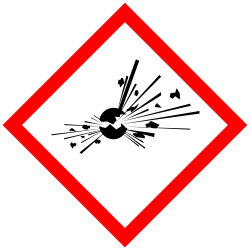
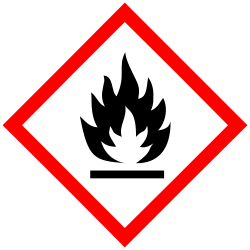
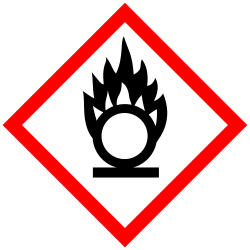

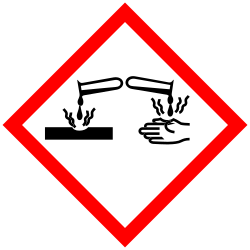
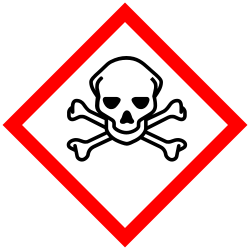

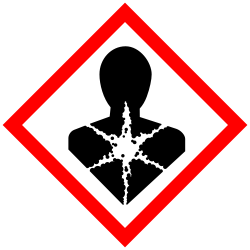
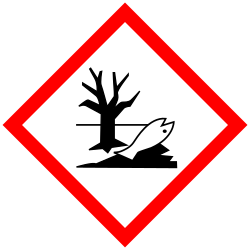
Coverage follows our engine's catalog: the hazard classes that dominate liquid chemical products — flammability, oxidizers, corrosion, acute toxicity, health hazards, and aquatic hazards. The physical classes for explosives, gases under pressure, and self-reactive chemistry aren't covered yet (their two pictograms are included for completeness). Where a code exists in the UN GHS but isn't used under OSHA HazCom 2024 or EU CLP, its page says so.
Reference information, not legal or professional advice. Statement texts and allocations follow GHS Rev 9 / 29 CFR 1910.1200 Appendix C as implemented by our classification engine; the regulatory text and agency practice control. Claims last reviewed July 23, 2026.
The engine writes these for you.
When SDS HQ authors an SDS or a container label, it assigns the hazard statements, signal word, pictograms, and precautionary statements from these same tables — automatically, with the calculation shown.