H334 — May cause allergy or asthma symptoms or breathing difficulties if inhaled
The GHS hazard statement for respiratory sensitization, category 1 (1a, 1b). Here is what it means, the label elements that travel with it, and the substances that carry it.
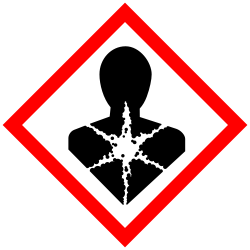
What it means
Can induce allergy or asthma-like hypersensitivity of the airways after it is inhaled. Sensitized workers can react to very low exposures.
Precautionary statements paired with H334
When the engine writes SDS Section 2 or a container label for a product carrying H334, these are the P-codes it assigns, in the official Annex 3 groups:
Substances that carry H334
189 of the 4,228 substances in our database carry H334 when classified in pure form — recognizable examples:
Reference information, not legal or professional advice. Statement texts and allocations follow GHS Rev 9 / 29 CFR 1910.1200 Appendix C as implemented by our classification engine; the regulatory text and agency practice control. Claims last reviewed July 23, 2026.
The engine writes these for you.
When SDS HQ authors an SDS or a container label, it assigns the hazard statements, signal word, pictograms, and precautionary statements from these same tables — automatically, with the calculation shown.